Architecture

Blog

Eco-Friendly Innovations in Modern Architecture

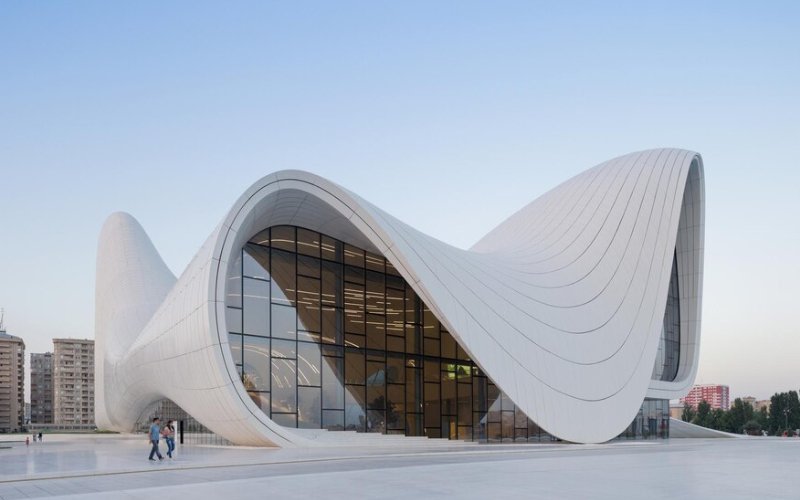
Eco-friendly architecture has moved far beyond solar panels and green roofs. Today’s sustainable designs incorporate advanced materials such as self-healing concrete, energy-efficient glass, and recycled composites. Smart systems monitor energy consumption, optimize temperature control, and harvest rainwater for reuse. Urban planners are focusing on reducing carbon footprints through passive cooling, natural ventilation, and biophilic design […]

Eco-Friendly Innovations in Modern Architecture Read More »
Blog4

Modern Architecture Trends for 2025 and Beyond

Modern architecture in 2025 continues to redefine the boundaries between technology, sustainability, and human-centered design. Architects are embracing AI-driven planning tools, modular construction, and sustainable materials to create buildings that are both efficient and emotionally engaging. The focus has shifted from purely aesthetic appeal to a deeper understanding of how structures influence well-being and the

Modern Architecture Trends for 2025 and Beyond Read More »

Blog5

How Adaptive Reuse is Changing Modern Architecture

Adaptive reuse has become one of the most influential movements shaping modern architecture today. Instead of demolishing outdated structures, architects are reimagining them for new purposes — turning factories into art galleries, warehouses into offices, and old homes into boutique hotels. This approach not only preserves cultural heritage but also significantly reduces environmental waste and

How Adaptive Reuse is Changing Modern Architecture Read More »

Commercial Blog

Building Information Modeling and Development

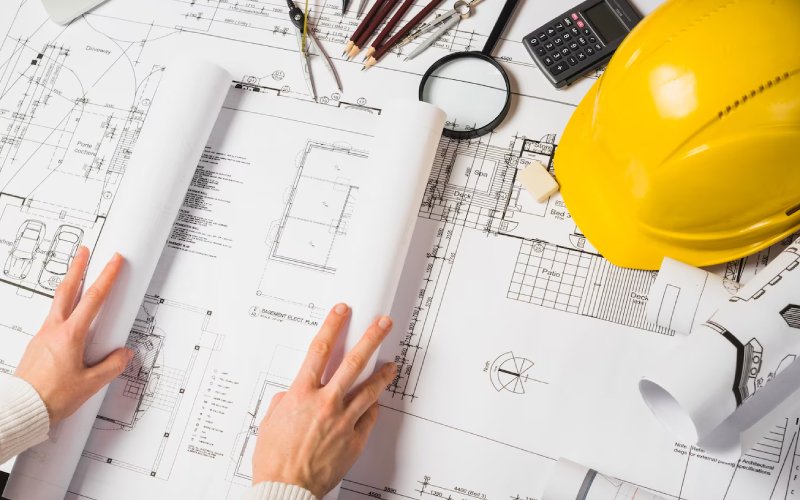
Building Information Modeling (BIM) is revolutionizing how architects and developers collaborate on complex projects. By integrating every aspect of a building’s design — from structure and materials to electrical systems and maintenance — BIM enables teams to visualize the entire lifecycle of a project before construction begins. This data-driven approach minimizes errors, reduces costs, and

Building Information Modeling and Development Read More »